The Tennessee Valley has its own rhythm. If you live in Rossville, you can feel it in the air, see it on your siding, and track it onto your driveway after a storm. The mix of humid summers, pollen-heavy springs, and leaf-filled falls leaves its mark. Pressure washing here is not just for curb appeal. It protects surfaces, keeps algae from colonizing shaded corners, and saves you from bigger repair bills down the line.
How often you should wash is not a single number for everyone. It depends on what you are cleaning, how your property sits on the lot, and how the seasons treat it. A northern-facing vinyl facade tucked under hardwoods grows mildew faster than a stucco wall that bakes in afternoon sun. A driveway parked under crape myrtles will Pressure Washing Rossville stain more than one in open sky. You can set a baseline schedule, then adjust based on what you see.
What Rossville’s Climate Does to Your Surfaces
Humidity drives most of the grime in this region. Algae and mildew love shade and moisture, both of which are easy to find from April through October. Pollen from oaks, pines, and ragweed settles onto horizontal surfaces and acts like a glue for soot and dirt. Late summer brings pop-up storms that splash mud and leaf tannins onto siding and fences. By fall, acorns and leaves stain concrete with organic acids. Winter is milder than up north, but freeze-thaw cycles still happen several times a season. Any water trapped in hairline cracks expands and contracts, turning small flaws into bigger ones.
Add in air pollution from nearby Chattanooga traffic corridors, and you get a steady film on windows, fascia boards, and stucco. Homes on or near Missionary Ridge often catch more wind-driven debris. Properties adjacent to wooded lots or South Chickamauga Creek corridors tend to stay damp longer, which accelerates microbial growth.
Understanding these local forces helps you pick the right cadence. The goal is to clean before growth gets rooted or stains set, not after.
General Frequency Guidelines by Surface
Think in terms of material and exposure. Frequency ranges below assume typical Rossville conditions.
Siding. Most vinyl and fiber cement siding does well with an annual soft wash. If your home faces north or sits under trees, every 8 to 10 months keeps algae from taking hold. Painted wood needs a gentler touch and benefits from an annual wash to prolong paint life. Stucco can go 12 to 18 months if it’s in sun and well ventilated, but watch for algae in shaded spots.
Roof. Asphalt shingles should not be “pressure” washed. They need low-pressure soft washing when you see black streaks from Gloeocapsa magma, usually every 3 to 5 years in this climate. Metal roofs shed growth more easily, but pollen and tree sap still collect in seams. Plan on 2 to 4 years, with spot rinses after heavy pollen seasons.
Driveways and sidewalks. Concrete in Rossville often needs attention twice a year if it sits under trees or near a damp lawn edge. Once a year can suffice in open sun. Watch for green film or slippery patches, a sign of algae or biofilm, especially near sprinkler overspray.
Decks and fences. Pressure-treated pine and cedar weather quickly in this humidity. A light wash every 12 months keeps mildew at bay. If your deck is shaded and surrounded by foliage, think 6 to 9 months. Composite decking resists staining better, but pollen embeds in the texture and needs annual cleaning.
Brick and masonry. Brick is durable, but the mortar joints are not. Use a low to moderate setting and clean annually in shaded elevations, every 18 months for sunny ones. Efflorescence, the white salt bloom, often shows after wet winters and may prompt a spring wash.
Stucco and EIFS. Soft wash every 12 to 18 months. Algae will map the drip lines under gutters and window sills first. If those areas reappear faster, shorten the cycle for targeted maintenance.
Screened porches, soffits, and gutters. The undersides collect cobwebs and pollen that dampen and darken. A gentle rinse twice a year keeps them clean, spring and fall. Gutters themselves may need inside cleaning more often if you have heavy leaf drop.
How to Read Your Property’s Signals
The calendar is only half the story. The other half is what your eyes and feet tell you. You can avoid over-washing and under-washing by checking a few spots monthly when you take out the trash or mow.
- Run a finger along the north-facing siding near a downspout. If it comes back green or gritty, growth has started. Clean soon. Look at the bottom 12 inches of your fence where the boards meet soil. Dark or green staining means moisture is wicking up, and mildew is feeding there. Step on the shady strip of your driveway at noon. If it feels slick even when dry, algae film is present. That’s a liability issue as much as a cosmetic one. Scan the roof from the ground with polarized sunglasses. Brown fuzz on the ridge or black streaking down the shingles means the roof is due for a soft wash. Check the inside corner where walls meet porch ceilings. Spider webs gather pollen and hold moisture. When they gray out, airflow is low, and mildew will follow.
If these indicators look clean months after a wash, you can extend your interval. If they deteriorate fast, shorten it.
The Pollen Factor in Northwest Georgia
Rossville sees tree pollen spikes in March and April, then grass and weed cycles through late summer. Yellow film on cars and railings is obvious, but the less visible problem is how pollen binds dirt to porous materials. On textured concrete and composite decking, the grains wedge in micro-crevices. When it rains, the pollen cake darkens and feeds algae.
You can manage this by using the season to your advantage. A light rinse after peak pollen drops prevents that first binding layer. If you schedule one serious exterior cleaning per year, late spring after the heavy oak and pine release is a good window. Then a lighter fall wash clears leaf tannins and any mold bloom from summer humidity.
Soft Washing vs. High Pressure
Not every surface should meet a high PSI stream. Around here, the most common damage I see is etched siding, fuzzy wood fibers on decks, and blown window seals from overzealous pressure. Soft washing uses dilute detergents and low pressure to lift organic growth without chewing surfaces.
Save true high-pressure work for hard, non-coated surfaces like older, unsealed concrete or certain stone. Even then, know your numbers. A typical homeowner machine runs 2,000 to 3,000 PSI at 2 to 3 GPM. That can be too much for wood at close range but just right for an oil-stained driveway with the right tip and distance. Pros often rely more on flow rate and detergents than raw pressure. Higher GPM moves debris without needing to concentrate force.
If you are cleaning painted surfaces, composite, vinyl, asphalt shingles, or EIFS, treat them as soft wash candidates. A gentle approach also makes it easier to keep a regular schedule. You can clean more often without shortening the life of the material.
How Landscaping and Lot Features Change the Schedule
Two homes on the same street can need different care. Shade from old oaks Power Washing or the lee of a hill holds damp air longer. Sprinklers that overspray fences or brick keep them wet, a perfect algae incubator. If the lowest point of your driveway acts like a puddle after storms, the concrete there will darken faster.
Mulch choices matter too. Pine straw near stucco often splashes tannins onto walls. Bark mulch can grow artillery fungus that dots siding with tar-like specks. Those are tough to remove once baked by the sun, so if you see them early, treat the area sooner.
Neighborhood construction also plays a role. If a road or infill project blows fine dust for a season, it will coat everything. A mid-season rinse can keep the grime from embedding.
The Cost of Waiting Too Long
Skipping a year or two feels fine at first. Then a few things happen. Organic growth roots deeper, so you need stronger chemistry or more agitation to remove it. On wood, that means more raised grain and more sanding before restaining. On painted surfaces, the growth creeps under micro-cracks and lifts paint.
Concrete is porous and will accept stains faster as sealers wear off. Leaves left on a driveway after fall rains imprint leaf-shaped ghosts that can take professional-grade cleaners to lift. On roofs, black streaks heat the shingles, raising attic temperatures and potentially shaving years off roof life.
Mildew is not just a cosmetic issue, especially around vents and soffits. If those areas stay damp and dirty, they can harbor spores that migrate indoors through ventilation leaks. Regular washing is cheaper than mold remediation, and it is certainly cheaper than premature repainting or resurfacing.
A Practical Annual Calendar for Rossville Homes
Use this as a starting point, then adjust after a year of observing how your property responds.
- Late March to May. Full exterior soft wash for siding, soffits, porch ceilings, and gutters after the worst of tree pollen. Light rinse of windows and screens. Spot treatment for any artillery fungus on lower siding. Early summer. Driveway and walkway cleaning if they turned slick in spring. Deck wash and re-seal if due. Check fences along irrigated lawns. Late August to October. Second pass on flatwork if shade and moisture demand it. Rinse pollen and dust from porches, railings, and furniture. Clean shaded parts of siding that bloomed over summer. Late fall. After most leaves drop, flush gutters. Rinse tannin stains on driveways and lower walls. Check for efflorescence on brick and treat gently if present. Winter. Spot clean only on milder days. Avoid deep cleaning if temperatures bounce around freezing. If you must wash, finish by midday so surfaces can dry.
This cadence keeps growth shallow and manageable. Some homes can combine steps, others will need to split them, especially where shade and irrigation meet.
The Right Tools and Settings Prevent Damage
Even for homeowners, a few technical choices make a big difference:
- Nozzles. A 40-degree fan tip at a safe stand-off distance protects paint and vinyl. Use a 25-degree tip for concrete, stepping down only when stains demand it. Turbo nozzles have their place on rough concrete, but never on wood or siding. Detergents. Sodium hypochlorite, the active ingredient in bleach, remains the best for killing organic growth. It must be diluted correctly and applied with surfactants to help it cling. Rinse plants before and after. On wood, lean on percarbonate cleaners and brighteners rather than bleach-heavy mixes. Flow over force. A unit with higher GPM allows faster, safer rinsing. If your machine is under 2 GPM, you may need to move slower and let detergents do more work. Test patches. Every new surface deserves a small, low-visibility test. Adjust until you clean without fuzzing fibers or removing pigment. Dry time awareness. In humid air, surfaces dry slowly. Plan your path so you are not walking back over wet, slick areas. Let wood dry fully before sealing.
If this sounds like more than you want to manage, it’s a sign that hiring help might be worth it. The cost of replacing etched windows or repainting a wall will dwarf the savings from a DIY misstep.
When to Bring in a Pro
There are projects that put ladders near power lines or ask you to reach three stories with a wand. Those jobs are not worth the risk. Soft washing a roof also belongs to trained hands with the right pumps, mixing valves, and safety gear. If you see rust stains from irrigation, oil spots on concrete, or stubborn black mildew that returns quickly, a professional can use specialty chemicals and warm-water systems that most homeowners do not have.
A good local company should be able to explain their process in plain terms, specify the dilution ranges they use, and show that they pre-wet and protect your landscaping. They should carry liability insurance and, if they work on roofs, fall protection. Ask how they handle wastewater around storm drains. Responsible outfits plug drains or reclaim wash water where needed.
From a scheduling standpoint, a pro can combine tasks efficiently. They might soft wash the house and, while the detergent dwells, pre-treat the driveway. That efficiency matters on hot days when chemistry flashes off faster.
Special Cases: Historic Homes, Stucco, and Painted Brick
Rossville has its share of older homes with wood siding and original masonry. These materials have survived decades because owners treated them gently. On old wood, fiber can lift easily. Work with lower pressure and cleaner mixes tailored for paint preparation. Washing too aggressively will force water behind boards and into gaps, which takes a long time to dry in our humidity.
Stucco can hide hairline cracks, and high pressure will open them. Soft washing is the rule here, with attention to rust staining around fasteners and window corners. If you see recurring algae trails under windows, check for weep screed and drainage issues, not just surface growth.
Painted brick needs the most restraint of all. Once paint on brick fails, it often fails broadly. Annual gentle washing prevents the grime layer that traps moisture and pushes paint away from the surface.
Commercial Properties and High-Traffic Areas
Sidewalks outside shops and restaurants in Rossville see more foot traffic, food spills, and gum. Monthly or quarterly cleanings are common, depending on the business and exposure. Grease around dumpsters should be treated with degreasers and hot water, with careful containment so runoff does not reach storm drains.
For apartment complexes and HOA neighborhoods, communal sidewalks and pool decks become slip hazards if neglected. Plan for more frequent washing in shaded pool areas where water splashes daily. A slip and fall on algae film can cost far more than a maintenance contract.
What “Too Often” Looks Like
It is possible to overdo it. If your siding looks chalky or streaked after each wash, the process or frequency is wrong. On wood, if grain rises and feels rough more than once every few years, the combination of pressure and chemical is too aggressive. Concrete can also be scarred if a turbo nozzle rides too close too often, leaving tiger stripes that collect dirt faster.
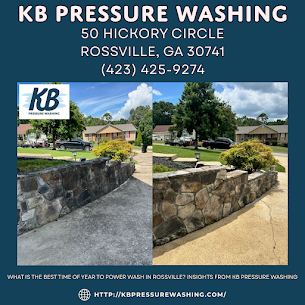
Over-washing often means over-pressuring or under-diluting. A property that truly needs quarterly exterior cleaning on vertical surfaces usually has a moisture problem, not just a dirt problem. Address airflow, drainage, and plant proximity to reduce the need.
A Decision Framework You Can Use
When you stand in your driveway and wonder whether to book a wash, run through three questions.
- Has organic growth appeared or turned surfaces slick in any area that sees shade or irrigation? Did the last full wash happen more than a year ago, or has a heavy pollen or leaf season passed since then? Are you planning paint, stain, or sealant work in the next six months?
If you answer yes to any of these, it is time. If you answer no across the board, take a closer look at the usual problem spots. Clean those selectively and set a reminder to check again after the next storm cycle.
Budgeting and Bundling to Stay on Track
It’s easier to stick to a schedule if you plan for it. Many Rossville homeowners bundle services in late spring, then schedule a shorter fall visit. The spring visit handles siding, soffits, gutters, and windows. The fall visit tightens up flatwork, fences, and any summer trouble spots. This split keeps costs predictable and avoids letting growth anchor too deeply.
For DIY budgets, invest first in a good garden sprayer, a quality soft-bristle brush, and a hose-end foamer. Those three tools handle a surprising amount of maintenance between pro washes. Use them to knock back algae early, especially on the shaded side of the house and the damp lip of the driveway.

The Bottom Line for Rossville
Most homes here are well served by an annual soft wash of the exterior, plus one or two cleanings of driveways and walkways, with decks and fences on a roughly annual cycle depending on shade. Roofs need attention every few years when streaking appears. Shaded, tree-heavy lots shorten those intervals. Sunny, breezy lots lengthen them.
Treat pressure washing as preventive care. Time it around pollen and leaf seasons. Use the lightest effective touch, and lean on detergents designed for organic growth. Watch your property’s signals and adjust the calendar, not the other way around. With that approach, you keep algae from getting a foothold, extend the life of paint and wood, and keep your Pressure Cleaning place looking like someone pays attention, because someone does.